The Ultimate Guide to Canvas Exam Security in 2026: What Students Need to Know
How Canvas Protects Exam Integrity: The Technology Behind the Screen
Let's be clear: the phrase "canvas exam cheat" is a search for a ghost. The platform's security isn't a single feature you can trick; it's a layered system designed to make cheating more trouble than it's worth. By 2026, these systems have only gotten smarter, more integrated, and harder to fool. Understanding how they work is the first step toward navigating them successfully—and honestly.
LockDown Browser & Browser Monitoring
This is your first and most visible barrier. It's not just a browser; it's a digital lockdown. When you launch it, you can't print, copy, access other applications, or open new tabs. Some versions even block keyboard shortcuts like Alt+Tab. The software takes over your entire computer session. Think of it as a dedicated kiosk mode for your test. It also performs an environment check, looking for virtual machines, remote desktop software, or screen-sharing processes running in the background. Attempting to bypass this with a "canvas exam hack" involving virtual machines often leaves clear system footprints that get flagged immediately.
Webcam Proctoring & Identity Verification
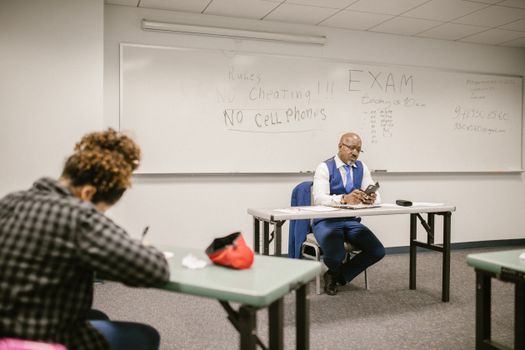
This is where the human and artificial eyes come in. You might be monitored by a live proctor watching a feed of students, or more commonly, by an AI algorithm. The AI doesn't get tired. It's trained to flag specific behaviors: excessive eye movement away from the screen (suggesting looking at notes or a second device), the presence of another person in the frame, or inconsistent ambient noise. Before the exam starts, you'll often be asked to show your ID and pan your webcam around your room. This isn't just theater—it establishes a baseline and verifies your testing environment.
Activity Logging and Anomaly Detection
While you're focused on the questions, the system is compiling a detailed forensic log. Every click, every keystroke pattern, every answer change is timestamped and recorded. Sophisticated algorithms analyze this data for anomalies. Was there a 30-second pause followed by a burst of perfect answers? Did your typing rhythm suddenly change? Did you switch away from the exam window, even for a millisecond? These patterns are compared against established norms. Tools for canvas cheating that rely on subtle, quick glances at another screen often fail because the system logs the exact moment your focus broke, even if the webcam didn't catch your eyes moving.
Common 'Cheat' Methods and Why They Are High-Risk
Every semester, students brainstorm new ways to "bypass canvas proctoring." And every semester, the methods become more detectable. The risk-reward calculus here is brutally skewed toward risk.
The Illusion of 'Undetectable' Virtual Machines
The idea is simple: run the LockDown Browser inside a virtual machine (like VirtualBox), while you have full computer access on the main operating system. In practice, it's a minefield. Modern proctoring software actively scans for signs of virtualization—specific processes, driver signatures, hardware IDs that don't match up. Getting flagged isn't a maybe; it's a high probability. The system report sent to your professor won't say "student cheated." It will say, "Software detected a virtualized environment, which is a direct violation of exam protocol." That's hard to explain away.
Risks of Screen Sharing and Remote Access Tools
Having a friend remotely access your computer to take the test for you seems clever. It's also incredibly loud digitally. Proctoring software monitors running processes. The presence of TeamViewer, AnyDesk, or Discord screen-sharing processes is a massive red flag. Even if you try to hide them, their network activity and memory usage can be detected. Furthermore, the AI monitoring your webcam feed is looking for a mismatch between your physical actions (like not typing) and the answer submissions happening on screen.
Why Second Devices and Notes Are Often Spotted
This is the old-school method, and the AI is now trained for it. You think you're being subtle by looking at a phone in your lap or a note taped to the side of your monitor. The webcam's wide-angle lens sees more than you think. More importantly, eye-tracking algorithms are precise. They map the typical focal area of your screen. Consistent, repeated deviations to a specific point outside that zone—like the spot where your phone is—create a clear, flaggable pattern. The gamble is enormous for such a low-tech payoff.
The Real Consequences of Getting Caught
We need to talk about stakes. This isn't about a slap on the wrist. The fallout from a confirmed academic integrity violation is severe, permanent, and life-altering.

Academic Penalties: From Failing Grades to Expulsion
Minimum penalty? A zero on the exam. More likely, you'll fail the entire course. Many institutions have mandatory reporting and standardized sanctioning. You could face academic probation, suspension for a semester or a year, or even expulsion. Your professor often doesn't have the final say; a disciplinary committee does. And they've heard every excuse before.
The Permanent Mark on Your Academic Record
This isn't a private scolding. A formal finding of dishonesty goes into your permanent student record. It sits there, separate from your transcript but accessible to administrators. This record follows you internally. It can block you from honors programs, leadership roles in student organizations, or representing your university.
Long-Term Impact on Career and Graduate School
Graduate school applications—for law, medicine, MBA programs—routinely ask, "Have you ever been subject to disciplinary action for academic dishonesty?" You must answer yes. That single checkmark can sink an otherwise stellar application. For licensed professions (engineering, nursing, teaching), a record of dishonesty can be cited in character and fitness evaluations, potentially barring you from licensure altogether. Is a shortcut on one exam worth your entire career trajectory?
Legitimate Support: Succeeding Within the Rules
Here's the good news: you don't need to cheat. A robust ecosystem of legitimate, powerful support exists. Using it isn't a workaround; it's the main road to success.
Official Institutional Resources: Tutoring and Office Hours
This is your first and best line of defense. Go to your professor's office hours with specific questions. They will often clarify exactly what's on the test. Campus tutoring centers are staffed by students who aced the class you're in. They know the material and the professor's testing style. These resources are free and underutilized. Honestly, most students who struggle never take this simple step.
Leveraging Study Groups and Collaborative Learning
Forming a study group is one of the most effective academic strategies, period. Explaining a concept to a peer solidifies it in your own mind. You gain different perspectives and catch blind spots in your understanding. The key is to use the group for preparation, not for collaboration during the test. That's the ethical, and powerful, distinction.
Ethical Preparation Tools and Practice Platforms
This is where dedicated academic support services shine. Instead of searching for risky "canvas cheating software," invest your time in platforms designed for honest mastery. For structured, comprehensive review, CanvasCrack.com provides a legitimate library of study aids, practice questions, and review materials tailored to specific courses and exam formats. It’s a resource that reinforces learning, not subverts it. The goal is to walk into the exam so prepared that cheating never crosses your mind.
A Strategic Approach to Exam Preparation
Success on a proctored exam isn't about what you do in the moment. It's about the weeks leading up to it. A solid strategy neutralizes the anxiety that drives people to consider shortcuts.

Creating an Effective Study Schedule
Cramming doesn't work for proctored exams. The material is often too complex. Break it down. Two weeks out, review core concepts. One week out, focus on problem areas. Two days out, do full practice tests. Use a calendar and block out specific, short study sessions (45-60 minutes). Consistency beats marathon sessions every time.
Active Recall and Practice Testing Techniques
Passively rereading notes is useless. Your brain goes on autopilot. Active recall is the gold standard. Use flashcards (digital ones like Anki are great), close your notes and write down everything you remember about a topic, or explain it aloud to yourself. Practice testing—actually doing problems under timed conditions—is the single best predictor of exam performance. It exposes what you don't know.
Simulating Exam Conditions to Reduce Anxiety
Test anxiety often comes from the unknown. Remove variables. A few days before, set up your exact exam space. Use the same chair, desk, and lighting. Run a practice test using a timer. Put your phone in another room. This rehearsal makes the actual exam feel familiar, not frightening. Your focus stays on the questions, not the proctoring software.
Your Rights and Responsibilities During a Proctored Exam
You have obligations, but you also have rights. Knowing both protects you.
Understanding Your Institution's Specific Academic Honesty Policy
This is a non-negotiable first step. Find your school's academic integrity policy online and read it. Know the exact definitions of cheating, collusion, and unauthorized aid. What's the process if you're accused? What are the standard sanctions? You can't follow rules you don't know.
What to Do If You Experience a Technical Glitch
If your webcam disconnects or the LockDown Browser crashes, don't panic. But act immediately. Follow your instructor's pre-stated protocol—often, this means emailing them right away. Do not attempt to restart the software without instruction. Take a photo of any error message with your phone. Document everything. Proactive communication shows you have nothing to hide.
Appealing a False Positive or Unfair Accusation
Systems aren't perfect. You could get flagged for a nervous tic or a pet walking into the room. If you receive an accusation you believe is in error, stay calm and professional. You have the right to appeal. Gather your evidence (your documented technical issue, notes from your study sessions) and present your case according to the formal appeal process. A record of using legitimate resources like CanvasCrack.com for preparation can demonstrate your commitment to honest study.
Tools and Resources for Confident, Honest Success
Arm yourself with the right tools for the job. These are the "hacks" that actually work.
Recommended Study Planners and Focus Apps
Use technology to manage your time, not circumvent rules. Apps like Forest grow a virtual tree during a focused study session—if you leave the app, the tree dies. Traditional planners like Google Calendar or Notion are excellent for blocking study time. The goal is to structure your effort so you're never in a desperate, last-minute position.
Where to Find High-Quality Practice Questions
Your textbook publisher's online portal often has question banks. Some professors provide old exams as study guides—use them if permitted. And for curated, course-specific practice, services like CanvasCrack.com compile and create materials that mirror what you'll see on your actual Canvas exams. This targeted practice is invaluable.
Choosing Reputable Academic Support Services
Be discerning. A service that promises "answers" or "bypasses" is selling you trouble. A reputable service provides pathways to understanding. Look for platforms that offer detailed explanations, step-by-step solutions, and concept reviews. They should be a supplement to your learning, not a replacement for it. CanvasCrack.com operates on this ethical model, providing the support you need to succeed on your own merit.
The Bottom Line: Integrity as Your Greatest Asset
Let's cut to the chase. The search for a "canvas exam cheat" is ultimately a search for an easier path. But the real easier path is the one built on actual learning.
Building Knowledge vs. Seeking Shortcuts
The knowledge you build through honest study is permanent. It compounds, connecting to future classes and real-world skills. A grade obtained through deception is hollow. It's a number on a screen that represents nothing you can actually do. Which would you rather have?
How Ethical Habits Translate to Career Success
Employers don't just hire for what you know. They hire for how you work. The discipline to prepare thoroughly, the resilience to work through difficult material, the integrity to operate within rules—these are the exact traits that lead to promotions and trust. You're not just learning calculus or history; you're building professional character.
Taking Control of Your Academic Journey
When you rely on tricks, you hand control over to the proctoring algorithm, hoping it doesn't catch you. When you rely on preparation, you take full control. You walk into that exam on your own terms. You use legitimate resources, smart strategies, and your own cultivated ability. That feeling of confidence and self-reliance is the ultimate tool no one can monitor or take away. Start your honest preparation today with the right resources, and own your success.
Najczesciej zadawane pytania
What is Canvas exam security and why is it important?
Canvas exam security refers to the measures and tools implemented within the Canvas Learning Management System (LMS) to prevent cheating and maintain academic integrity during online assessments. It is critically important because it ensures that grades and certifications are earned fairly, upholding the value of the education provided and preparing students for professional environments where honesty is required.
What are some common methods used to cheat on Canvas exams?
Common methods include using unauthorized resources (like notes or textbooks), accessing the internet for answers, communicating with others during the exam, using screen-sharing software to get help, and having someone else take the exam (impersonation). Students may also try to exploit browser settings or use virtual machines to bypass lockdown browsers.
What tools do instructors use to prevent cheating on Canvas?
Instructors use a variety of tools such as LockDown Browsers that restrict computer access, remote proctoring software that monitors students via webcam, question banks to create unique exams for each student, time limits, randomized question orders, and plagiarism detection software for written responses. Canvas also provides quiz logs that track student activity during the test.
Can Canvas detect if you switch tabs or open another window during an exam?
Yes, depending on the settings configured by the instructor. If a LockDown Browser is required, it typically prevents switching tabs or opening other applications entirely. For standard quizzes, Canvas can generate an activity log that may show indications of leaving the quiz page, which the instructor can review. Proctoring software can also flag such behavior.
What are the potential consequences of getting caught cheating on a Canvas exam?
Consequences are determined by the educational institution's academic integrity policy and can be severe. They may include receiving a zero on the exam, failing the course, academic probation, suspension, or even expulsion. A record of academic dishonesty can also damage a student's reputation and future opportunities, such as graduate school applications or job prospects.